







Can You Build a Hoop House in Fall? Yes- and Here's Why You Should
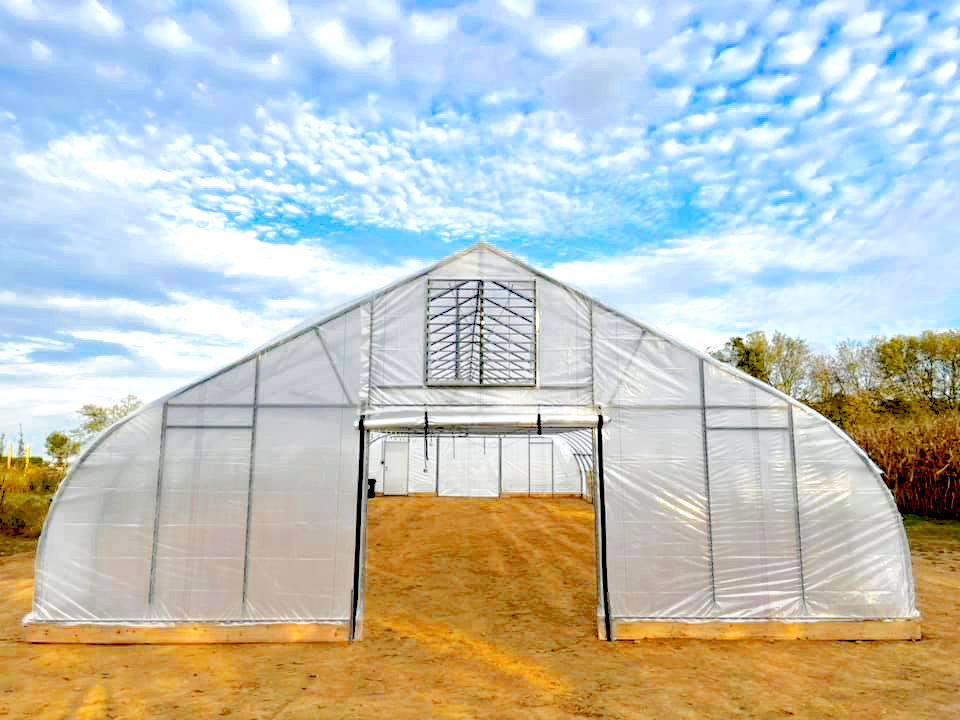
Think the high tunnel season is over once the last tomatoes are picked?
Wondering if you missed your chance to build a hoop house before winter?
As the leaves start to turn and the market stands wind down, it’s easy to assume that spring is the next, or only, time to think about expanding your growing season.
But you don’t have to wait until spring. Fall can actually be one of the smartest times to build a high tunnel. With the right planning and a well-built structure, your hoop house can protect your crops through the colder months and continue working for you long after the last summer harvest is gone.
If you’ve always thought of a high tunnel as a spring-and-summer tool, this is the time to rethink it. Let’s look at why autumn can be prime building season and how your hoop house can keep producing value throughout the quieter months of the year.
Why Fall Is a Great Time to Build a High Tunnel
Spring gets all the attention, but ask anyone who's tried to build during planting season, and they'll tell you that fall is easier on almost every front.
Your schedule finally has room. Spring builds compete with seeding, transplanting, and the frantic start of the market season. By October, the harvest rush is easing, and you actually have the days — and the hands — to put up a tunnel without stealing time from your crops. It's the perfect season for a community build: we send two of our pro builders out to lead the project alongside you and your team, neighbors, or volunteers, so the whole tunnel goes up together — often in a single day — while everyone's calendar finally has a little breathing room.
The ground is in your favor. After a dry late summer and early fall, soil is often firm and workable; ideal for setting ground posts and leveling a site. You're not fighting the mud and saturated ground that a wet spring throws at you.
You'll be ready before you need to be. A tunnel built in the fall is standing, settled, and waiting when the season turns. Instead of scrambling to build and plant at the same time next March, you can walk into spring with the structure already up, allowing you to get your earliest crops in weeks ahead of growers who are still assembling.
Fall crops can go in right away. Build now, and you don't have to wait until spring to see a return! Cold-hardy greens, roots, and overwintering crops can go straight into a freshly built tunnel and produce through late fall and winter.
But Can You Build a Hoop House in Cold Weather?
Short answer: yes — with the right structure and the right crew. A Nifty Hoops build doesn't depend on warm weather. Our gothic high tunnels are engineered for fast, straightforward assembly with American-made steel and clear, repeatable steps, so a crew can keep moving even as the days get shorter and cooler.
That speed matters more in the fall than at any other time of year. When you're racing a shortening daylight window and the first hard freeze, the last thing you want is a complicated kit that drags a build across weeks. This is where the fastest install times in the industry become a genuine advantage — and where our range of build options helps every grower get finished on time:
- Self-install, backed by step-by-step video guides and our build team a phone call away, seven days a week
- Starter build, where our crew sets the critical first stages with you and leaves you ready to finish
- Community build, a barn-raising with your friends and neighbors that often puts a tunnel up in a single day
- Full installation, where our team handles the entire build
The goal is simple: get your tunnel standing and covered before winter sets in — not sometime next year.
A Note for NRCS Growers: Fall Builds and Your Reimbursement
If you're working through the NRCS High Tunnel Initiative, timing carries extra weight. EQIP is a reimbursement program — you're paid after your tunnel is built and inspected, not before — and your contract comes with a completion deadline. A fall build keeps you comfortably inside that window and gets your inspection (and your check) moving before winter weather can stall a half-finished project. If your contract is signed and the clock is ticking, autumn is exactly the time to get built.
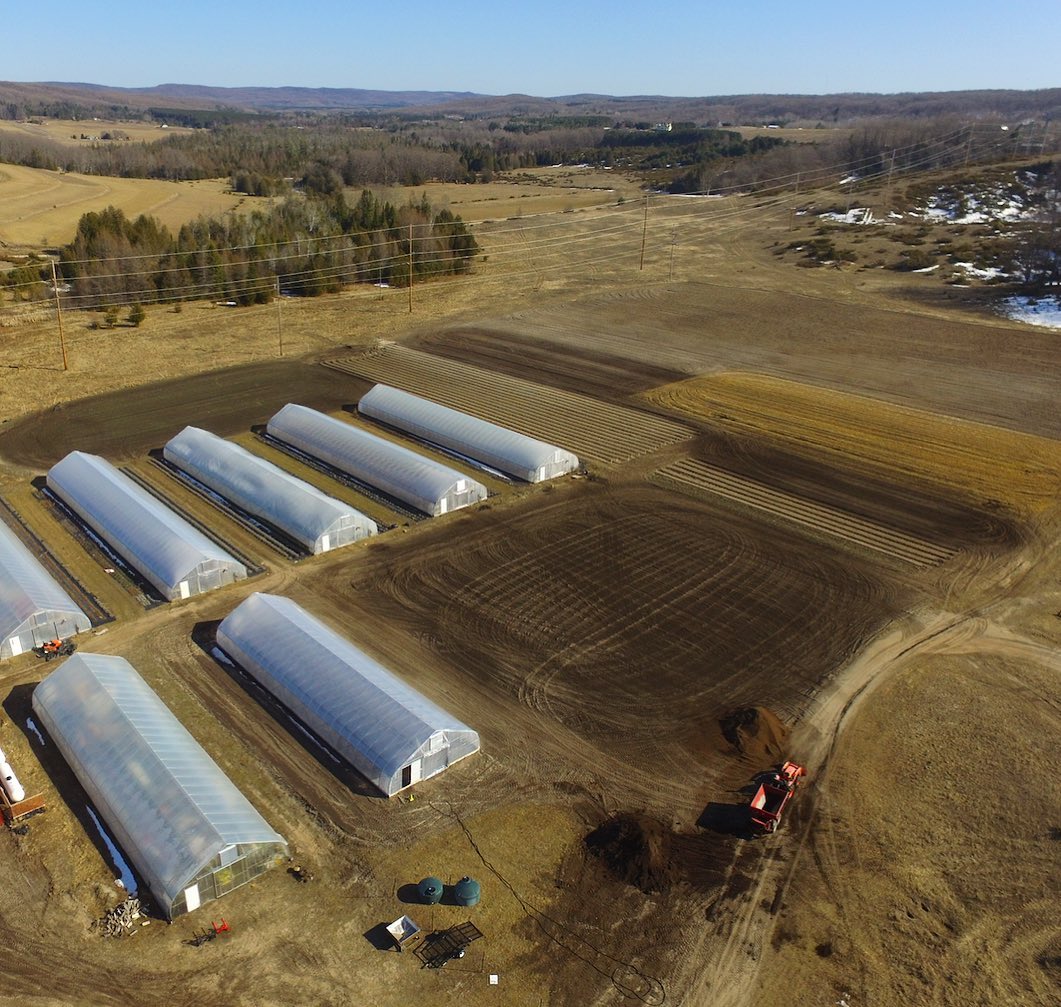
What to Do With Your Hoop House in the Off-Season
Here's the part growers underestimate most: a hoop house is valuable even when it isn't growing a single crop. The structure you build this fall can work year-round in ways that have nothing to do with the harvest calendar.
Winter growing — no heat required. The most obvious use is also the most rewarding. Unheated tunnels can carry spinach, kale, mâche, carrots, and other cold-hardy crops deep into winter, even in northern climates. Row cover inside the tunnel adds another layer of protection for near year-round harvests. When you're ready, our winterization guide walks through prepping your gothic tunnel for the cold.
Season-long propagation and seed starting. Come late winter, your tunnel becomes the warmest, brightest workspace on the farm — perfect for starting seedlings and hardening off transplants weeks before an open field would allow.
Covered workspace and storage. When the beds are resting, the tunnel is a dry, sheltered place to clean and repair tools, store equipment, cure winter squash and onions, or organize for the season ahead. Anyone who's tried to fix a piece of equipment in a sleet storm knows what a covered, out-of-the-wind space is worth in January.
Soil-building and cover crops. The off-season is prime time to improve the ground itself. Sow a cover crop, sheet-compost, or let the protected soil rest and rebuild — so your tunnel comes into spring healthier and more productive than the open field.
Livestock shelter and more. Some growers use the protected space for hardy poultry in the coldest weeks, or as a staging area for farm projects. A high tunnel is, at its core, a large, durable, weatherproof structure — and that's useful far beyond vegetables.
A Fall Hoop House Build Is a Head Start
A hoop house isn't a summer luxury that sits idle half the year. Built in the fall, it starts paying you back immediately with late-season crops, a protected winter workspace, healthier soil, and a running start on spring that growers who wait until March simply won't have.
If you've been telling yourself you missed your window for this year, you haven't. Our team builds across the country through the fall; our tunnels go up faster than anything else on the market, and our install options fit whatever labor and timeline you're working with.