







Double Layer vs Single Layer High Tunnels: Cost, Performance, and What to Look For
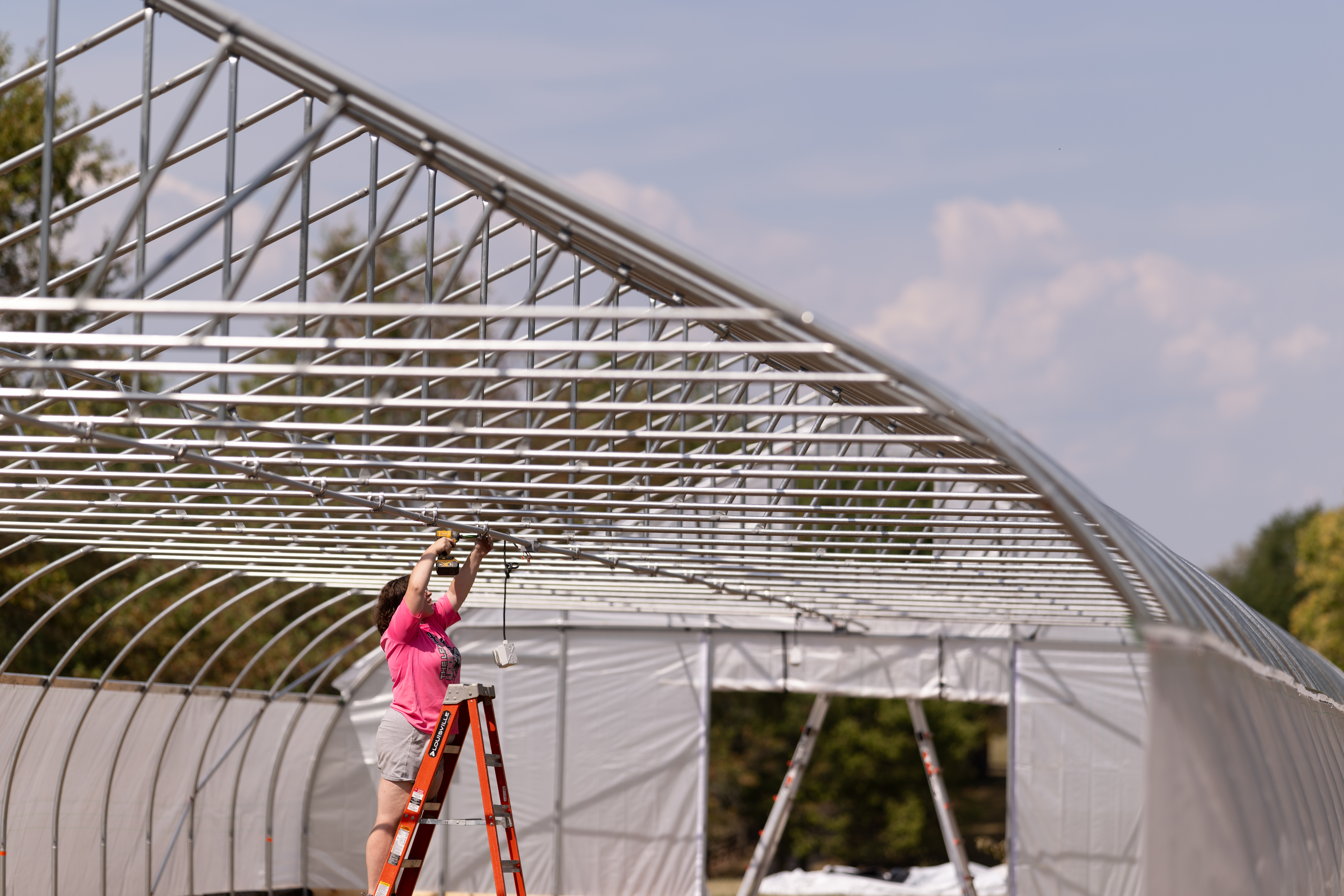
Are you trying to decide which high tunnel kit is actually worth the investment?
Wondering why some tunnels seem to hold up better in wind and weather while others need constant adjustments?
Or maybe you’ve seen “double layer” listed as an upgrade and aren’t sure if it’s truly necessary, or just an added cost?
In this guide, we’ll break down the real differences between single-layer and double-layer high tunnels, how each impacts performance and longevity, and what to look for when choosing the right High Tunnel Kit for your needs.
What “Double Layer” Actually Means
At a glance, a double-layer system might not look much different, but the way it performs tells a completely different story.
Instead of a single sheet of plastic, a double-layer setup uses two layers of greenhouse film with a small pocket of air between them. A compact fan runs continuously to keep that space inflated. The result: The outer layer stays tight, holding its shape even in rough conditions.
Compare that to a single-layer system, where one sheet of plastic is simply stretched over the frame and secured in place. Without inflation, the material has more freedom to move, especially when wind or weather comes into play.
What Inflation Actually Does
Most people think the benefit is insulation. That’s part of it, but it’s not the main reason we recommend it.
When the outer layer is inflated and tight, wind moves across it instead of catching it. The plastic doesn’t flap, and it doesn’t repeatedly load the frame. Even early greenhouse films, before UV stabilization, lasted much longer when they were kept tight by inflation (Roberts, Symposium on More Profitable Use of Energy in Protected Cultivation)
Extension guidance notes that when plastic is loose, the opposite occurs. The plastic moves, it snaps back, and that energy transfers into the structure (UMass Extension Greenhouse Crops and Floriculture Program - Plastic Greenhouse Film Update)
A double-layer inflated plastic can also help the structure shed snow more effectively, so long as the gap between layers is not too large. (University of Vermont Extension Ag Engineering)
Over time, the difference becomes hard to ignore. With loose plastic, the effects start to show up in ways that directly impact performance and lifespan:
- Faster wear on the plastic
- Increased stress on connections and fasteners
- More noticeable movement throughout the frame
What starts as a bit of extra motion quickly turns into ongoing strain on the plastic and the entire structure, something a properly inflated system is designed to prevent.
How Inflation Affects Longevity
Greenhouse plastic doesn’t usually fail all at once. It wears down over time. And most of that wear isn’t just from UV exposure, but from constant movement.
An inflated, double-layer system keeps the plastic tight and stable, which significantly reduces wear. Without all the flexing, rubbing, and shifting, the material simply lasts longer.
With a loose single-layer system, the opposite happens. The plastic is more prone to:
- Rubbing against the frame and itself
- Stretching unevenly over time
- Breaking down faster, especially in windy conditions
Cost: Up Front vs. Over Time
Single-layer systems are more affordable upfront. That’s their main advantage.
A double-layer setup includes:
- A second sheet of plastic
- An inflation fan
- Additional hardware to support the system
While that does increase the initial cost, the difference is usually small compared to the total investment in a high tunnel kit.
Where the double layer stands out is over time. You’ll typically see:
- Longer-lasting plastic
- Fewer issues during wind events
- Less need for ongoing adjustments or repairs
If you plan to use your tunnel for more than a couple of seasons, the long-term value soon outweighs the initial savings.
When Single Layer Makes Sense
There are still situations where a single-layer system is a practical choice.
It can work well for:
- Very small structures
- Locations with minimal wind exposure
- Short-term or seasonal use
If you’re setting up a smaller tunnel for just a few years, or placing it in a highly protected area, a single layer can get the job done.
But for larger structures or long-term use, this is usually not where you want to cut costs.
What to Look for in a High Tunnel Inflation Kit
Not all “double-layer” systems are the same.
- If you’re comparing kits, look for:
- A dedicated inflation fan
- A sealed air path between the layers (we call it a jumper)
- Proper attachment systems (channel and wiggle wire, not improvised fastening)
- Tight installation details, especially at endwalls and corners
If the system can’t hold pressure, it won’t stay tight, and you lose most of the benefits.
The Bottom Line on Double Layer Plastic
Double-layer plastic is a practical investment in the overall performance and durability of your high tunnel. By keeping the covering tight against the frame, it not only adds a layer of insulation but, more importantly, reduces movement, wear, and ongoing stress on the structure.
That difference is noticeable right away in how the tunnel handles wind and weather, and it continues to pay off over the full lifespan of the system.
Ready to choose a High Tunnel Kit that’s built to last?
If you’re looking to choose a high tunnel kit that’s built to last, it’s worth taking a closer look at the details. Compare system components, ask about inflation setups, and make sure the design fits your environment, not just your initial budget. A well-chosen system now can save you time, repairs, and added costs for seasons to come.
Ready to take the next step? Reach out to our team to discuss your project, get expert guidance, and find the right structure for your operation.