







Pathogen Control and Climate Management Inside Your High Tunnel
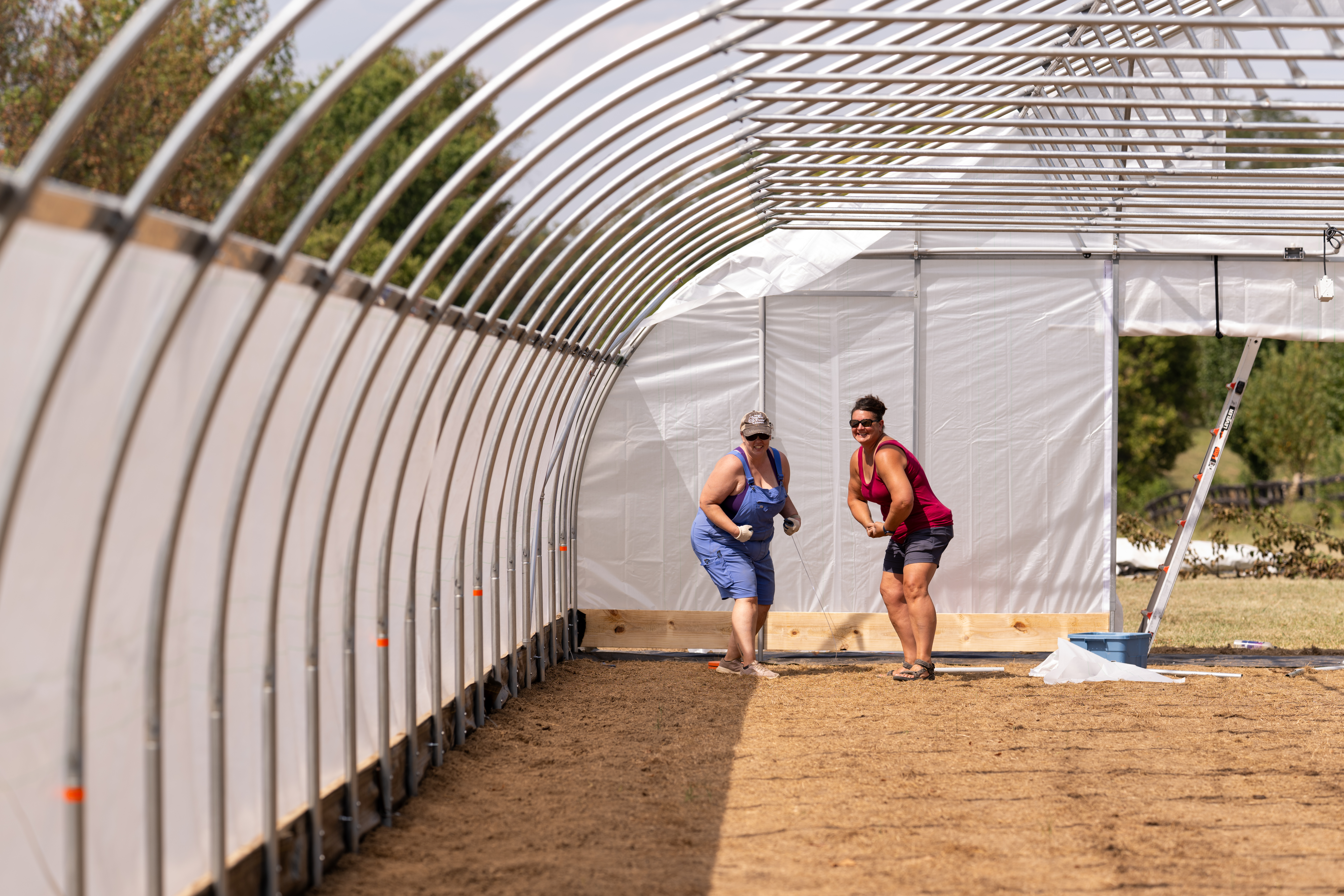
Have you noticed inconsistent plant health in your high tunnel?
If you’re investing time and money into protected growing, it’s only natural to ask whether your environment is truly working with you, or against you. Disease pressure in high tunnels is often shaped more by design decisions, particularly ventilation specification and installation, than by daily management alone.
This article explores how effective pathogen control and climate management inside your High Tunnel go hand in hand. You’ll learn how temperature, humidity, airflow, and sanitation practices influence disease pressure, and how small environmental adjustments can lead to healthier crops and more predictable yields.
Why Pathogen Control Is Unique Inside a High Tunnel
A High Tunnel creates a semi-controlled environment that protects crops from wind, rain, and extreme temperatures, but that same protection means airflow, moisture ventilation, and temperature balance must be intentionally designed, not just managed.
Common tunnel-related pathogens thrive when:
- Humidity remains consistently high
- Leaf surfaces stay wet for extended periods
- Air circulation is limited
- Temperatures fluctuate rapidly
Climate Management is Your First Line of Defense
Managing the internal climate of your High Tunnel is one of the most effective ways to suppress pathogens before they take hold. How effectively that climate can be managed depends largely on the tunnel’s structural design. Vent opening size, placement, endwall layout, sidewall height, and overall volume determine whether excess heat and moisture can actually escape, or whether they remain trapped despite best management practices.
Temperature Control
Maintaining stable temperatures helps reduce plant stress, which in turn improves natural disease resistance. Venting early in the day prevents heat spikes that can encourage fungal growth later.
Humidity Management
High humidity is one of the biggest contributors to disease outbreaks. Roll-up sides, endwall vents, and timely venting help moisture escape before it condenses on plant surfaces. In many tunnels, ventilation technically meets minimum specifications but is undersized for local humidity, crop density, or summer heat loads. In those cases, even diligent venting cannot fully prevent
According to the USDA Natural Resources Conservation Service (NRCS), proper ventilation and environmental control are essential components of successful high tunnel systems, particularly for disease prevention and crop quality (NRCS High Tunnel Initiative).
Airflow and Ventilation
Well-designed ventilation systems reduce stagnant pockets where pathogens thrive. Horizontal airflow fans, combined with natural ventilation, help keep leaves dry and temperatures even throughout the structure.
Sanitation Practices That Support Climate Control
Even the best climate strategy won’t succeed without good sanitation. Inside a protected environment, pathogens can overwinter and persist if plant debris and contaminated tools aren’t addressed.
Best practices include:
- Removing crop residue promptly
- Disinfecting tools, stakes, and trellising
- Managing weeds that can harbor disease
- Rotating crops when possible, even within tunnel systems
Monitoring and Adjusting Over Time
Successful pathogen control isn’t a one-time setup—it’s an ongoing process. Using temperature and humidity sensors allows growers to respond proactively rather than reactively. Tracking patterns over time helps fine-tune venting schedules and irrigation timing to reduce disease pressure. It also reveals whether the structure itself is providing sufficient ventilation capacity, or whether design constraints are limiting climate control.
Extension research from institutions such as Cornell University’s Controlled Environment Agriculture program highlights that consistent monitoring leads to healthier crops and fewer chemical interventions.
Take Control of Your High Tunnel Environment
Your High Tunnel has the potential to be one of your most powerful production tools—but only if the climate inside is working in your favor.
Ready to optimize your tunnel for healthier crops and fewer disease issues?
Learn more about high tunnel design, climate performance, and long-term system planning by reaching out today.