







What Is the NRCS High Tunnel Program? Everything You Need to Know
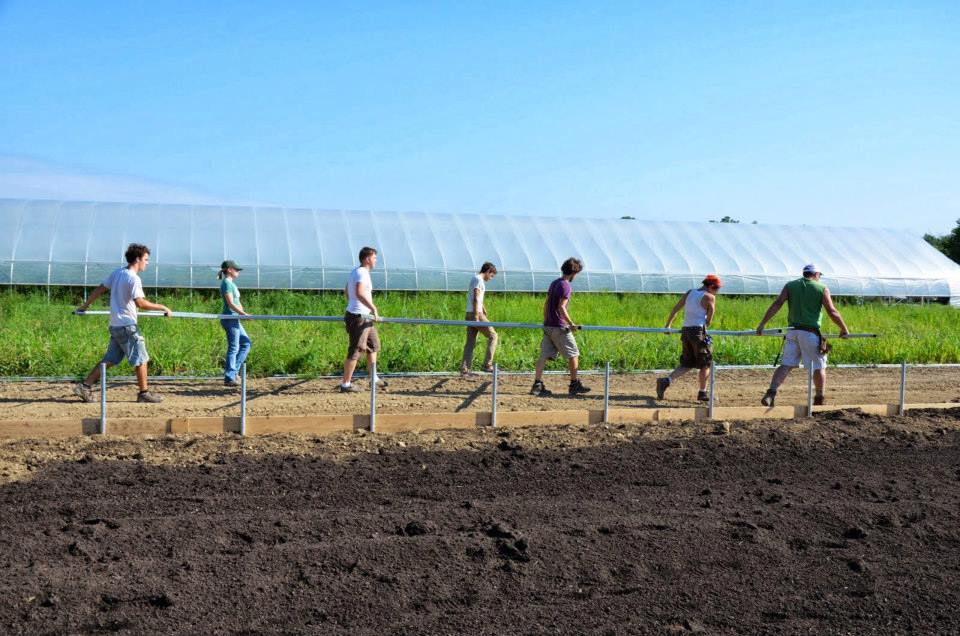
Thinking about extending your growing season?
Have you been wondering if a high tunnel is worth the investment?
Are you curious whether the NRCS High Tunnel program could help make one more affordable?
Whether you're a first-time grower, a seasoned farmer looking to expand, or simply exploring your options, understanding how the program works can save you time, money, and frustration.
The good news is that thousands of growers across the country have already used the NRCS High Tunnel program to improve crop production, extend their harvest season, and protect their investments from unpredictable weather.
In this guide, we’ll explain how the NRCS High Tunnel program works, who qualifies, how to apply, what reimbursement looks like, and how choosing the right high tunnel can help you maximize your funding and extend your growing season with confidence.
What Is the NRCS High Tunnel Program?
The NRCS High Tunnel Initiative is a voluntary cost-share program run through the Environmental Quality Incentives Program (EQIP), the USDA's flagship conservation funding program. Since its launch as a pilot in 2010, it has helped fund tens of thousands of high tunnels on farms across all 50 states.
Rather than providing a traditional grant, the program reimburses eligible growers after their tunnel has been installed and approved through an NRCS inspection. For many farms, this can significantly reduce the overall cost of purchasing a high-quality high tunnel.
Here's how the program typically works:
- It's a cost-share program. In most cases, you'll pay for your tunnel upfront and receive reimbursement after the completed structure passes inspection. Historically underserved producers—including beginning farmers, veterans, and limited-resource farmers—may qualify for advance payments covering at least 50% of their contracted amount before construction begins.
- Payments are based on square footage. Rates vary by state and are updated annually, generally ranging from about $5 to $12 per square foot. Depending on tunnel size and producer status, reimbursement often falls between $8,000 and $22,000, with many growers receiving 50% to 90% of the total project cost.
- You can build larger than the funded size. Many growers choose to contribute additional funds to purchase a larger tunnel than their reimbursement covers. This allows them to plan for future growth while only paying shipping and site preparation costs once.
Who Qualifies for NRCS High Tunnel Funding?
One of the biggest misconceptions about the NRCS High Tunnel program is that it's only for large farms. In reality, eligibility is based on agricultural production—not farm size.
The program serves:
- Small family farms
- Market gardeners
- Urban farms
- Homesteads producing crops for sale
- Tribal producers
- Schools and nonprofit agricultural programs
- Large commercial farming operations
To qualify, you'll generally need:
- Control of the land, either through ownership or a qualifying long-term lease.
- A USDA Farm Service Agency (FSA) farm number.
- Agricultural production involving soil-grown crops such as vegetables, fruits, herbs, or flowers.
- In-ground growing methods. Hydroponic systems, container gardens, and bench production typically aren't eligible.
- A conservation goal. Your project should address concerns such as improving soil health, conserving water, reducing erosion, or improving plant health. Your local NRCS conservation planner will help identify these goals.
The high tunnel itself must also meet NRCS specifications. Generally, this includes:
- A prefabricated high tunnel kit
- A minimum peak height of six feet
- UV-resistant 6-mil (or thicker) greenhouse plastic
- Construction that meets local NRCS engineering standards
Many northern states also require gothic-style roofs to better shed snow loads. Nifty Hoops manufactures gothic-style high tunnels using American-made steel right here in Michigan, making them a strong fit for many NRCS-funded projects!
How to Apply for the NRCS High Tunnel Program
Applications are accepted year-round, but they're ranked and funded in batches — and high tunnel funding is popular enough that it can run out within a funding cycle. Applying early is the single best thing you can do for your odds.
- Visit your local FSA office to establish farm records and get a farm number. Bring your tax ID and proof of land control (deed or lease).
- Contact your local NRCS field office and tell them you're interested in the High Tunnel Initiative (EQIP practice: High Tunnel System). Free technical assistance starts here.
- Host a site visit. An NRCS conservation planner will walk your land, discuss your goals, and help identify the resource concerns your tunnel will address.
- Submit your application before your state's ranking deadline so it's considered in the current funding cycle. Deadlines vary by state and year — your district conservationist can give you the exact date.
- Sign your EQIP contract, then build. Don't purchase or install your tunnel before the contract is signed — construction that starts early is generally ineligible for reimbursement.
- Pass inspection and get paid. Once your tunnel is built to NRCS specifications and inspected, reimbursement typically arrives within weeks.
From first office visit to funds in hand, plan on several months to a year. It's not instant — but for a structure that can transform a farm's production for decades, most growers find the patience pays off.
Remember: It's a Reimbursement Program
Here's the part of the NRCS High Tunnel Program that catches many first-time applicants off guard: you don't receive the money when your contract is signed. You receive it after your tunnel is fully built, inspected, and approved by an NRCS agent. Until that inspection passes, the cost of the tunnel — and the cost of putting it up — is coming out of your pocket.
That makes installation more than an afterthought. It's the biggest variable between signing your contract and getting your check. A tunnel that requires a hired crew, heavy equipment, or weeks of troubleshooting doesn't just delay your first planting — it delays your reimbursement and inflates the out-of-pocket costs the program won't cover.
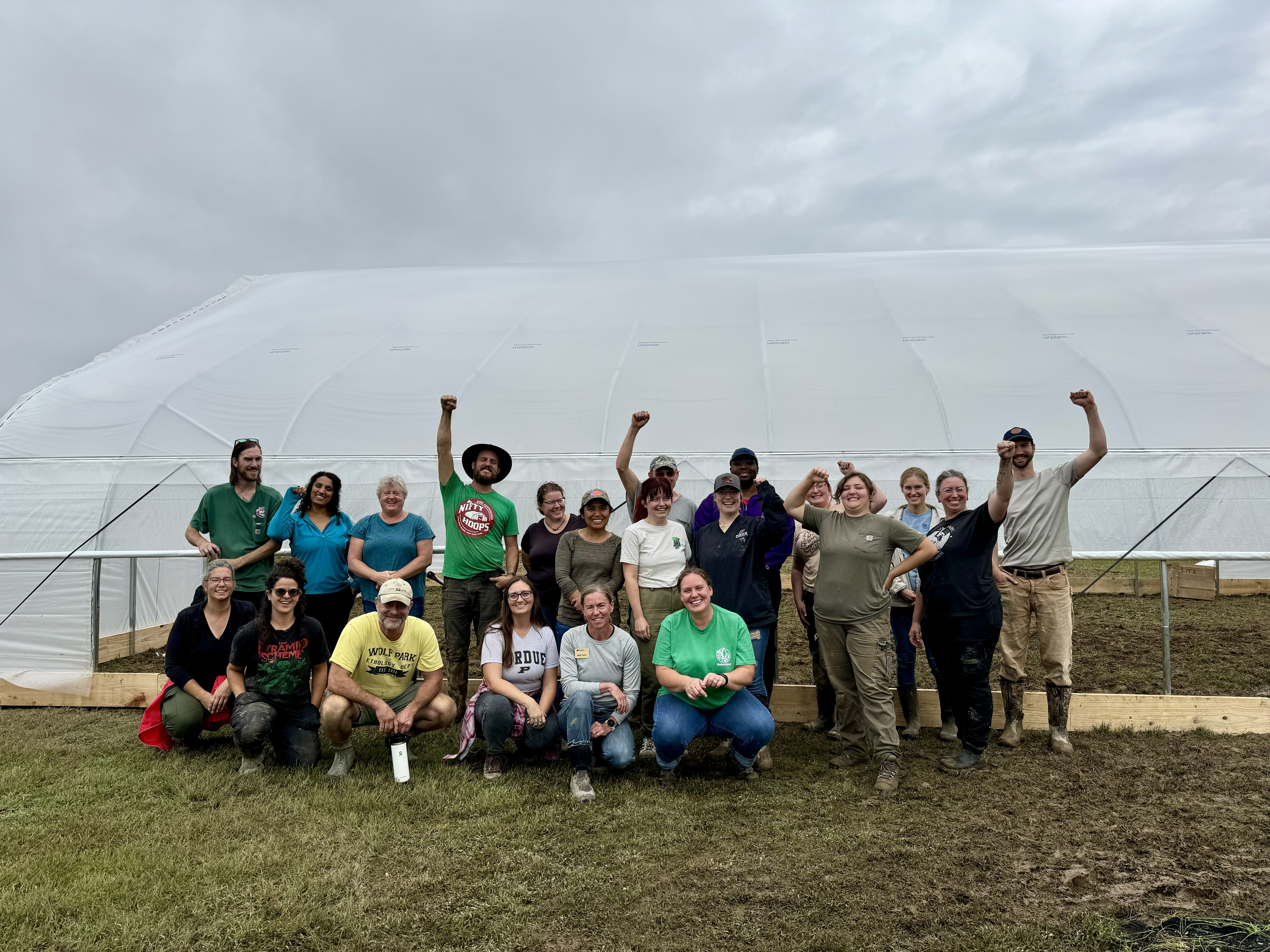
This is exactly why we designed Nifty Hoops high tunnels to be the easiest houses on the market to install. Every kit is engineered so that growers can build it themselves — no cranes, no contractors, no specialized tools — with straightforward components, step-by-step video instructions, and our build team available by phone seven days a week. Growers who want backup can choose a starter build, where one of our builders sets the posts and raises the first section alongside you, or a full community barn-raising, where our crew and your neighbors put up the entire tunnel together — often in a single day.
A faster, simpler build means a faster inspection, a faster reimbursement, and a tunnel full of crops while other applicants are still reading assembly manuals. When the program pays you back only after the last piece of plastic is pulled tight, ease of installation isn't a luxury — it's part of the economics.

How Nifty Hoops Can Help Funding
The upfront cost is the hardest part of the reimbursement model — and for some growers, there's a way around it. If you qualify for the NRCS advance payment option — available to historically underserved producers, including beginning farmers, veterans, and limited-resource farmers — at least 50% of your contracted payment can be issued before construction begins. In that case, Nifty Hoops can accept an assignment of payment, meaning NRCS pays us directly for your tunnel rather than routing the money through your bank account first.
For growers without deep cash reserves — exactly who the advance payment option was designed to serve — that combination can be the difference between applying this year and waiting indefinitely. Ask your NRCS agent whether you qualify for advance payment, and talk to us early so your quote and paperwork are structured to match.
Frequently Asked Questions
Is the NRCS High Tunnel Program a grant?
Not exactly. It's a cost-share reimbursement program through EQIP. Most growers receive payment after their tunnel has been completed and inspected, although some producers qualify for advance funding.
How much funding can I receive?
Funding varies by state and producer status but generally ranges between $5 and $12 per square foot. Many growers receive between $8,000 and $22,000 toward their project.
Can small farms and homesteads qualify?
Yes. Farm size isn't the deciding factor. As long as you meet eligibility requirements and are producing crops in the ground, you may qualify.
Can I receive funding for more than one tunnel?
Often, yes. While first-time applicants are typically prioritized, many growers successfully receive funding for additional tunnels in future application cycles.
Do I have to maintain the tunnel?
Yes. Most EQIP contracts require the tunnel to remain in agricultural production for several years after installation.
Ready to Make the Most of the NRCS High Tunnel Program?
A high tunnel isn't just another farm purchase—it's an investment in longer growing seasons, healthier crops, and greater productivity for years to come. If you're planning to apply for the NRCS High Tunnel program, having the right partner from the beginning can make the entire process smoother.
Nifty Hoops manufactures NRCS-eligible gothic high tunnels in Ann Arbor, Michigan, using durable American-made steel. From providing accurate quotes and specification sheets to answering questions throughout the application process, our team is here to help you choose the right tunnel for your operation.
Contact our team today to discuss your project and take the next step toward extending your growing season with confidence.