







Growing Through Winter: The Best Cold-Hardy Crops for Your Hoop House
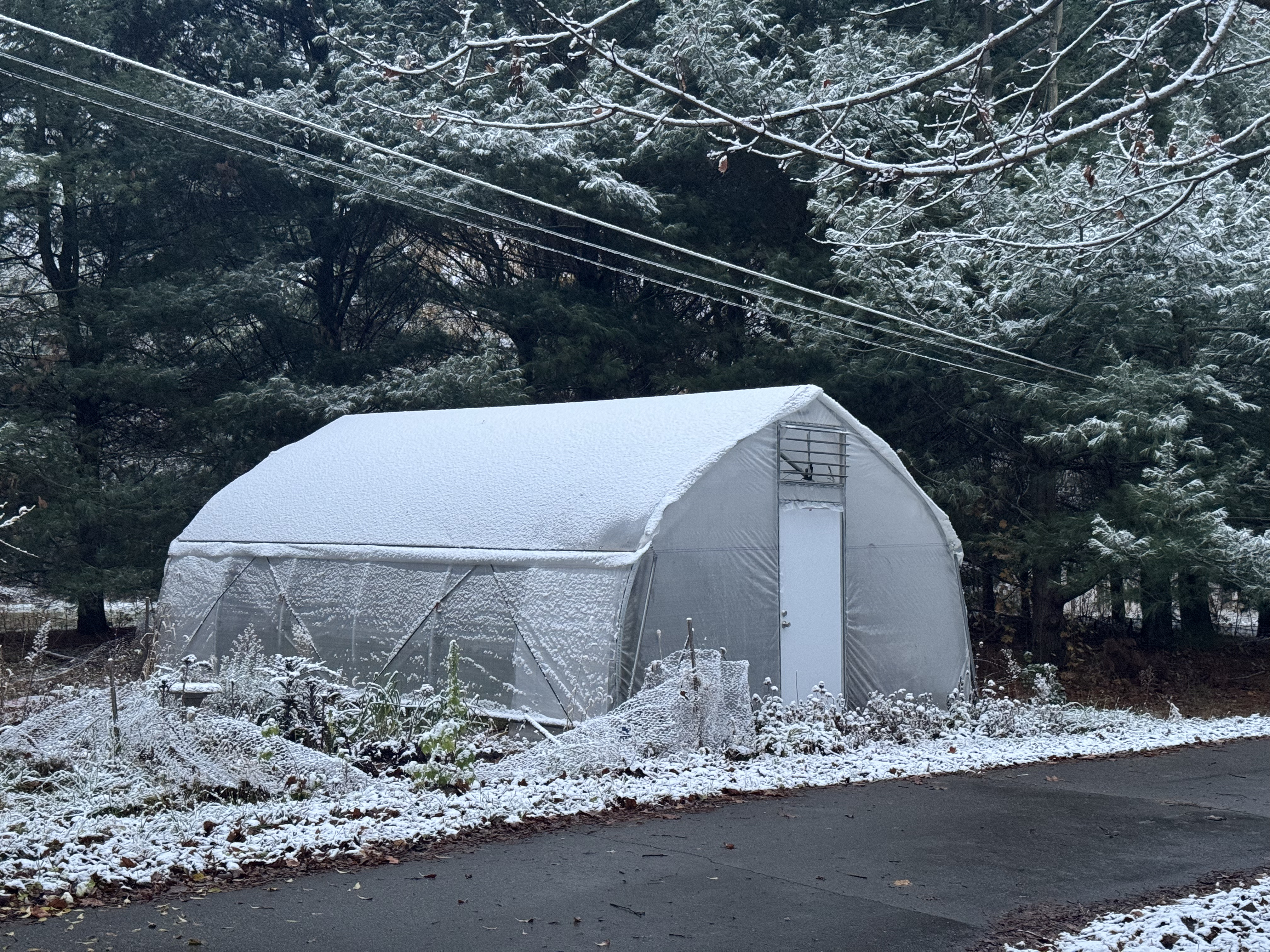
There’s something pretty special about stepping into your hoop house on a freezing Michigan morning and finding fresh, crisp spinach ready to harvest. While snow covers the ground and temperatures dip into the single digits, your growing season doesn’t necessarily have to come to an end. With the right crops and a little planning, a hoop house can keep producing well into winter without the need for supplemental heat or grow lights.
For many growers, winter marks the end of the harvest season. But cold-hardy crops offer an opportunity to keep growing through December, January, and February, when fresh, locally grown produce can be harder to find. The key is knowing what to plant, when to plant it, and how to make the most of your growing space.
Whether you're looking to extend your harvest or get more out of your hoop house year-round, here are some of the best cold-hardy crops to grow and a few tips for keeping them thriving through the Michigan winter.
First, Understand This: Cold Isn't the Enemy — Darkness Is
When people think about growing crops through winter, freezing temperatures are usually the first concern. But surprisingly, cold isn't the biggest challenge. It's the lack of daylight.
Most plants need around 10 hours of daylight to produce meaningful new growth. In northern states like Michigan, days fall below that threshold from roughly early November through early February. During this time, plant growth slows considerably. Winter growing expert Eliot Coleman refers to this stretch as the "Persephone period," named after the Greek goddess who spends the darker months of the year underground.
So, what does that mean for your crops? Rather than expecting plants to grow much during the middle of winter, the goal is to get them established and close to harvest size in the fall. Once daylight becomes limited, they largely stop growing but can remain alive and ready to harvest. Think of it as having a little pantry of fresh produce right in your hoop house!
That's why timing is so important. Getting crops planted and established before the shortest days of the year gives them a much better chance of making it through winter. With the right preparation, your tunnel can keep those crops fresh and ready to harvest for months. For help planning your planting dates, check out our planting schedule guide!
Why Cold Makes Greens Sweeter
Have you ever noticed that some vegetables taste even better after a frost? There's actually a reason for that!
Cold-hardy plants have a natural way of protecting themselves when temperatures drop. They convert some of their stored starches into sugars, which help protect their cells from freezing. A bonus? Those extra sugars can make certain vegetables taste noticeably sweeter.
Spinach, carrots, and Brussels sprouts are great examples. After exposure to cold temperatures, their flavor can become sweeter and more enjoyable. Some growers even refer to them as "frost-kissed" vegetables. It's one of the nice surprises of winter growing: with the right crops, colder weather can actually improve what you're harvesting.
How an Unheated Tunnel Keeps Crops Alive
You don't necessarily need a heated greenhouse to keep crops growing through winter. A well-built hoop house already provides several advantages. It protects plants from harsh winds, captures warmth from the sun during the day, and keeps rain and snow off your crops. Keeping plants dry is especially important during winter, since excess moisture can contribute to freezing damage and rot.
On a sunny winter afternoon, you might be surprised by just how much warmer it gets inside your tunnel compared to the temperature outside!
Want to give your crops even more protection? Adding a second layer of protection can make a big difference. Lightweight row cover, also known as floating fabric, can be placed directly over your crops inside the tunnel to help hold in warmth and create a more protected growing environment.
A common rule of thumb among winter growers is that each layer of protection can provide the equivalent of roughly one and a half USDA hardiness zones of added protection, depending on conditions. Your hoop house provides the first layer, and the row cover adds another. Together, they can help growers in colder regions protect hardy crops through temperatures that would otherwise be difficult to manage.
The combination of a hoop house and an inner layer of row cover is a simple but effective way to extend your harvest. It doesn't require a complicated heating system, but it can make a real difference in how well your crops handle the coldest months.
The Best Cold-Hardy Crops, by Toughness
Not every winter crop handles freezing temperatures the same way. Some can tolerate surprisingly harsh conditions, while others are better suited for extending your fall harvest and getting an early start in spring.
Let's take a look at some of the best cold-hardy crops to grow in your hoop house and how they compare.
Tier 1: The Winter Warriors (survive hard freezes, harvest all winter)
- Spinach — The undisputed king of winter growing. Cold-tolerant, incredibly sweet after a frost, and it'll overwinter even in northern tunnels to explode with growth come spring. If you grow one winter crop, grow this.
- Mâche (corn salad) — Possibly the hardiest salad green on earth. It shrugs off temperatures that flatten everything else and offers a delicate, nutty flavor.
- Claytonia (miner's lettuce) — Succulent, mild, and tough as nails. A reliable winter salad staple.
- Tatsoi & other hardy Asian greens — Spoon-shaped, mild mustard flavor; bounces back from freezes that would finish most greens.
- Kale — Especially the Winterbor and Siberian types. Gets sweeter with every frost and keeps standing through brutal cold.
Tier 2: Dependable Cold-Season Producers
- Carrots — Not a leafy green, but a winter superstar. Left in the ground under a tunnel, they turn into famous "candy carrots." Mulch the bed and dig them as you need them.
- Mustard greens, arugula, and mizuna — Peppery, fast, and cold-tolerant enough for steady winter cutting.
- Swiss chard — Hardy through most of winter with protection; keeps producing tender leaves.
- Scallions & leeks — Alliums that hold beautifully in cold soil and add winter kitchen value.
- Lettuce (cold-hardy types) — Varieties like Winter Density and Rouge d'Hiver handle cold far better than summer lettuces, especially under row cover.
Tier 3: Season Extenders (push fall later, but won't take a deep freeze)
- Beets, turnips, and radishes — Roots that handle frost and store well in cool tunnel soil.
- Pac choi and milder brassicas — Great into late fall and early winter, but protect them hard in a cold snap.
A Few Keys to Winter Growing Success
- Plant in fall, not winter. Get crops to near-maturity before the Persephone period. A seed sown in December will basically sit and wait; a mature spinach plant will feed you for months.
- Water in the morning, sparingly. Crops need far less water in winter, and watering early lets foliage dry before the cold night. Wet leaves overnight are an invitation to freeze damage and disease.
- Vent on sunny days. Even in winter, a closed tunnel can overheat dramatically in direct sun. Crack it open on bright afternoons and close it up before evening to trap the warmth.
- Harvest when thawed. Frozen leaves are brittle and bruise easily. Let crops thaw in the midday sun before you cut, and they'll bounce back good as new.
- Keep the structure winter-ready. None of this works if your tunnel isn't up to the season. Make sure you've prepped it for the cold and that it can handle the snow — our winterization guide and Snow Load 101 have you covered there.
Get More from Your Hoop House, All Winter Long
Winter doesn't have to mean the end of your growing season. With the right crops and a dependable hoop house, you can enjoy fresh harvests or bring locally grown produce to market when it's harder to find.
It all starts with a structure built to handle real Midwest winters. Our gothic high tunnels are designed to withstand tough weather and keep your growing season going.
Ready to grow beyond the traditional season? Explore our hoop house options and find the right fit for your farm!