







What Can Delay an NRCS High Tunnel Project? 7 Common Roadblocks
Getting approved for NRCS funding is exciting! You’ve cleared a big hurdle and can finally start planning your high tunnel... But what happens next?
For some growers, the tunnel goes up without a hitch. For others, unexpected site issues, shipping delays, or a stalled installation can turn an approved project into a frustrating waiting game.
That’s because the NRCS High Tunnel Initiative is a reimbursement program. The NRCS pays you after your tunnel is built and inspected, not before. So every delay between signing your contract and completing the build can mean more time waiting for your reimbursement—and potentially less time growing.
The good news? Most of these roadblocks are avoidable when you know what to watch for.
Here are seven common NRCS High Tunnel delays and what you can do to keep your project on track.
1. Paperwork That Isn't Ready When the Ranking Deadline Hits
The NRCS accepts applications year-round, but funds them in batches.
If your farm records aren't established (no FSA farm number, no proof of land control), your application can't be ranked, and you may wait an entire funding cycle before you're considered again. That's a delay measured in months to a year, before the project even starts.
How to avoid it: Get your farm number and documents in order before you approach NRCS. We've covered exactly what you need in our guide to qualifying for the NRCS High Tunnel Initiative.
2. Jumping the Gun Before Your Contract Is Signed
Excitement is the enemy here. Growers who order a kit or start building before their EQIP contract is signed generally make that portion of the project ineligible for reimbursement. There's no fixing it after the fact. NRCS funds practices installed under a contract, not before one.
How to avoid it: Get quotes, plan your site, pick your tunnel — but don't spend a dollar on the structure until the contract is signed. A good manufacturer will prepare your quote and hold your place without requiring a premature purchase.
3. A Site That Isn't Ready for a Tunnel
The perfect spot for your tunnel on paper might not be so perfect once you’re standing in the field. Maybe the ground has more of a slope than you expected. Maybe water collects there after a heavy rain. Or maybe there’s no easy way for a delivery truck to get close to the site.
Even things like the distance to water or power can become a problem once construction starts. If you have to move the tunnel or change its size, you may also need to make changes to your NRCS contract.
How to avoid it: Take a good look at your site before settling on your tunnel size and location. Check the ground, drainage, sunlight, delivery access, and any utility needs. It’s much easier to solve these issues before your tunnel arrives than when you’re ready to build.
4. A Quote That Doesn't Match NRCS Specs
Not every tunnel on the market qualifies.
If your chosen kit doesn't meet your state's EQIP requirements, you'll be re-quoting, re-submitting, and re-waiting. Dimension mismatches between your quote and your contract cause the same churn.
How to avoid it: Tell your manufacturer up front that this is an NRCS project and which state it's in. Compare quotes carefully. The cheapest kit that fails spec review is the most expensive one you can buy.
5. Manufacturer Lead Times and Shipping Surprises
Once contracts are signed, growers across the country are racing the same building season you are. Kits from overseas or from backlogged manufacturers can take months to arrive, and a tunnel that ships in October in the Upper Midwest may not get built until spring.
How to avoid it: Ask about lead times before you commit, and order as soon as your contract allows. Nifty Hoops manufactures in Ann Arbor, Michigan, which keeps our lead times short, our shipping predictable, and lets us talk directly with you (or your NRCS agent) if anything about the order needs adjusting.
6. The Build That Never Happens
An unbuilt tunnel is the single most expensive delay in the program.
Your EQIP contract includes a completion deadline, and a tunnel that isn't finished can't be inspected; a tunnel that can't be inspected can't be reimbursed, and a contract that blows past its deadline can be cancelled entirely. We've heard from growers who lost funding not because they were rejected, but because the kit they bought was too complicated, the hired crew never materialized, or the build stalled at half-finished when the season turned.
How to avoid it: Choose a tunnel you can realistically get built with the labor you actually have, not the labor you hope to find. This is exactly why we engineered Nifty Hoops tunnels to be the easiest hoop houses on the market to install, and why we back them with multiple installation options so no grower is stuck.
Our options include:
- Self-install, with step-by-step video guides and our build team a phone call away, seven days a week
- Starter build, where our builder sets the critical first stages alongside you and leaves you confident to finish
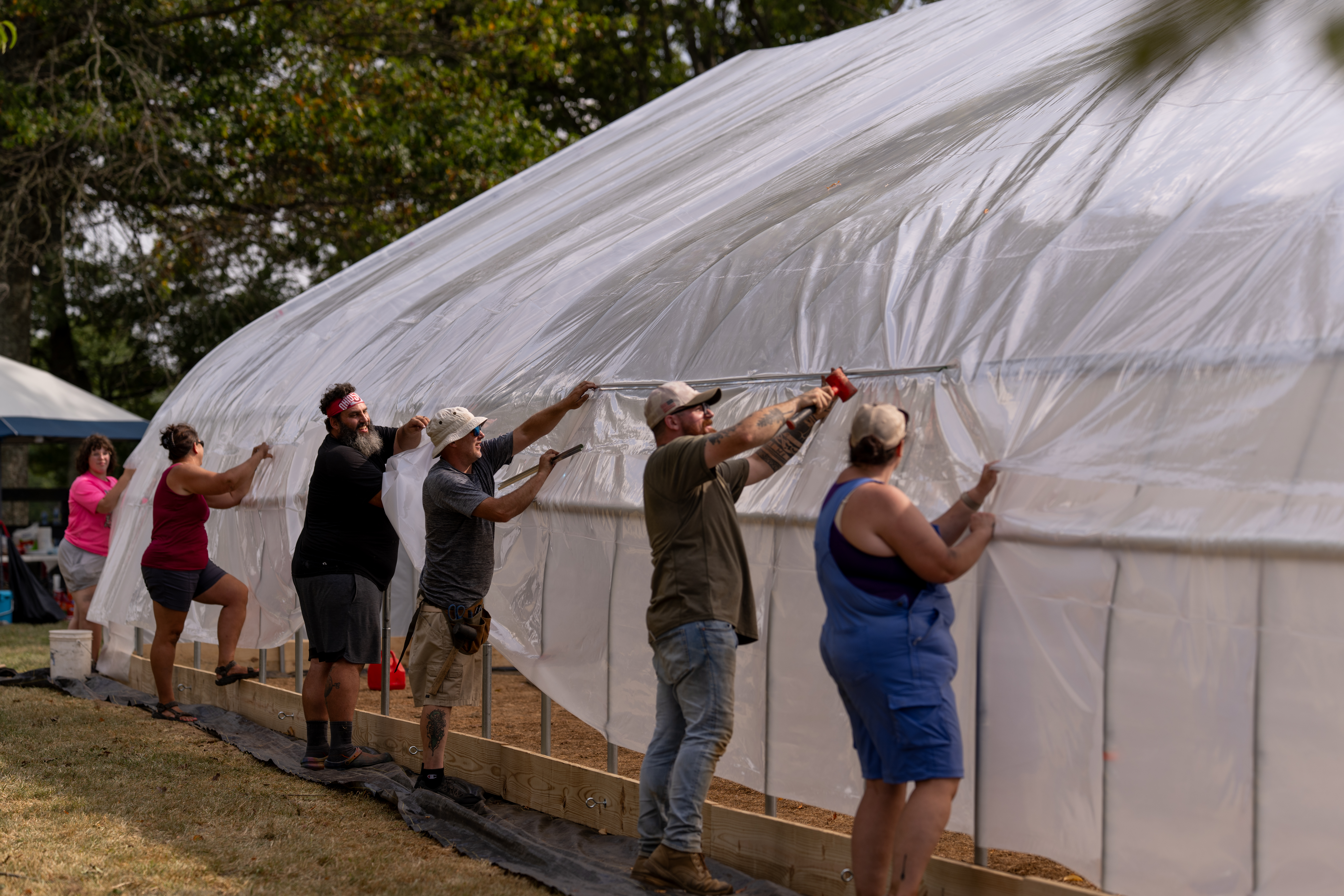
- Community build, where our crew leads a barn-raising with your friends and neighbors — many tunnels go up in a single day
- Full installation, where we handle the entire build
Whichever path you choose, the goal is the same: a finished, inspectable tunnel well inside your contract window.
7. Failing the Final Inspection
If the built tunnel doesn't match the contract ie/ different footprint, wrong height, non-compliant plastic, reimbursement waits until it's corrected. And even a perfect build waits on the inspector's schedule, which can stretch during busy seasons.
How to avoid it: Build exactly what your contract describes, keep your receipts and documentation organized, and contact your NRCS agent to schedule the inspection as soon as the last wiggle wire is in. The faster the inspection, the faster the check.
The Pattern Behind Every NRCS High Tunnel Roadblock
The biggest takeaway? An NRCS High Tunnel project doesn’t end when you get approved. Delays in site prep, shipping, installation, or inspection can keep your reimbursement waiting.
Our team makes the build easier with straightforward tunnel designs, flexible installation options, and experience supporting NRCS projects across nearly every state.
Planning an NRCS High Tunnel? Don’t let the build become your biggest roadblock. Talk to us today and keep your project moving from contract to completion.